
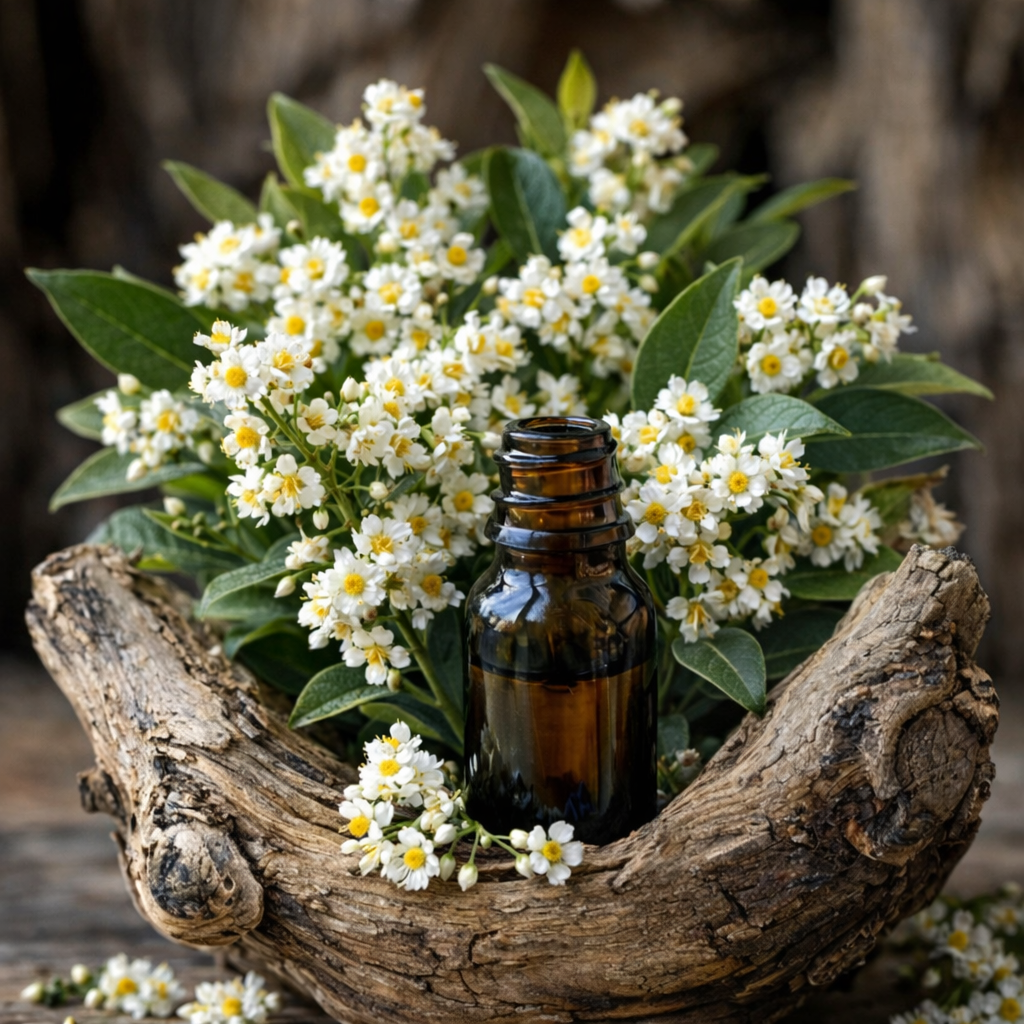
Essential Oils vs Fragrance Oils: What’s the Real Difference?
In today’s wellness, cosmetic, and personal care markets, essential oils and fragrance oils are often mentioned together—and frequently confused. While both are used for aroma, they are fundamentally different in origin, composition, purpose, and value. Understanding the real difference is important for consumers, formulators, and businesses alike.
What Are Essential Oils?
Essential oils are natural plant extracts obtained from flowers, leaves, seeds, bark, roots, or resins. They are typically extracted using methods such as steam distillation, hydro-distillation, or cold pressing.
These oils capture the natural aroma and beneficial compounds of the plant, making them more than just a fragrance. Essential oils are widely used in aromatherapy, wellness, pharmaceuticals, cosmetics, and traditional medicine systems.
Key Characteristics of Essential Oils
-
100% plant-derived
-
Contain natural active compounds
-
Aroma varies by climate, soil, and harvest
-
Used for both aroma and functional benefits
-
Limited yield, making them more valuable
What Are Fragrance Oils?
Fragrance oils are man-made or blended aromatic compounds designed primarily to smell pleasant. They may be fully synthetic or a mix of synthetic ingredients with small amounts of natural extracts.
Their main purpose is to provide a consistent and long-lasting scent, not therapeutic or wellness benefits. Fragrance oils are commonly used in perfumes, candles, soaps, detergents, and air fresheners.
Key Characteristics of Fragrance Oils
-
Synthetic or semi-synthetic
-
Designed only for scent
-
Highly consistent aroma
-
Often stronger and longer-lasting
-
Lower cost and high availability
Core Differences Between Essential Oils and Fragrance Oils
1. Source
Essential oils come directly from plants, while fragrance oils are created in laboratories using aromatic chemicals.
2. Composition
Essential oils contain complex natural compounds that can vary with each batch. Fragrance oils are chemically engineered to remain the same every time.
3. Purpose
Essential oils are used for wellness, therapeutic applications, and natural formulations. Fragrance oils are used purely to add scent.
4. Aroma Authenticity
Essential oils have a natural, subtle, and sometimes complex aroma. Fragrance oils often smell stronger, sweeter, or more uniform.
5. Cost and Value
Essential oils are generally more expensive due to raw material sourcing and extraction. Fragrance oils are more affordable and mass-produced.
Safety and Usage Considerations
Essential oils must be used correctly and diluted before topical application, but when sourced properly, they are preferred in natural and holistic formulations. Fragrance oils, while safe for their intended use, are not suitable for therapeutic or aromatherapy purposes.
This distinction is especially important in products meant for skin contact, wellness use, or sensitive environments.
Why the Difference Matters
For consumers seeking natural wellness, essential oils are the right choice. For products focused purely on scent and consistency, fragrance oils are often sufficient.
Mislabeling or misunderstanding the difference can lead to unrealistic expectations—especially when fragrance oils are marketed as “essential oils,” which they are not.
Choosing the Right Oil for Your Needs
-
Choose essential oils if you value natural origin, plant-based benefits, and holistic applications.
-
Choose fragrance oils if your priority is long-lasting scent, uniform aroma, and cost efficiency.
Knowing this difference helps buyers, brands, and formulators make informed decisions and build trust with end users.
Final Thoughts
Essential oils and fragrance oils may smell similar at first, but their origins, purposes, and benefits are worlds apart. One comes from nature and carries the complexity of plants; the other is engineered for scent performance.
Understanding the real difference ensures transparency, better product choices, and more meaningful use—whether for wellness, personal care, or commercial applications.


Est tenetur molestiae sed voluptatem Quo nulla optio sequi sit dolorem laborum. Commodi sint minus occaecati est asperiores Non dolores. Id dolores et rerum Reprehenderit voluptatibus sed modi hic.
Eligendi culpa cum sit fficiis inventore nulla non maiores culpa optio ducimus est ullam at nisi ea. Consequatur et culpa accusamus ea. Incidunt velit dicta doloremque repellat quo magnam
Harum et libero debitis ea aspernatur vel est. Vel ab enim eveniet earum
You would want to ensure the plugin is installed and activated for the section to be visible.
In odit sunt sed. Maiores tempora ut ducimus accusantium. Aut voluptatibus et quidem quibusdam ea nisi